
Workbook
The Body Clock Workbook
Seven weeks to find the rhythm your body already has. You change one thing, keep it for two weeks and score your mornings. At the end you know which changes are yours.
Coming soon. Leave your email and you’ll hear the day it opens.
For you if
You took the test. Now what?
- Your weekdays feel like jet lag and your weekends like a rescue mission.
- You’ve read twenty sleep tips and can’t tell which ones would work for you.
- You’d rather test three small changes properly than follow a routine with twelve rules.
How it works
Seven weeks, one change at a time
- Week 1
The baseline
Change nothing and fill in the log, so you know where you start.
- Weeks 2 and 3
Experiment 1
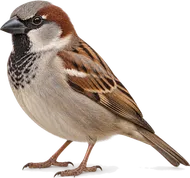
Chosen by your type: owl, sparrow or in between.
- Weeks 4 and 5
Experiment 2
Chosen by your biggest sleep stealer.
- Weeks 6 and 7
Experiment 3
The next one on your list.
- At the end
Your rhythm on one page
What you keep, written down where you’ll see it.
Every morning you give yourself one score from 1 to 5. Some experiments add a second one, such as your energy at 11am. That’s the whole effort.
What’s inside
Seven experiments, each with its evidence
Each one answers a question people search every day, says how strong the research is, and gives you the steps and a two-week log.
- AStrong
Light at both ends
Can light move my body clock?
- BPromising
The steady wake-up
Does a regular rhythm matter as much as hours of sleep?
- CStrong
Count back the coffee
How late is too late for coffee?
- DStrong
The last drink
How long before bed should I stop drinking?
- EPromising
Shift your eating earlier
Does a late dinner matter?
- FPromising
A steadier morning plate
Why do I crash at 11am after breakfast?
- GPromising
Ten minutes after your biggest meal
Should I go for a walk after eating?
Also inside: your starting page, the baseline week, a page for the afternoon slump, a keep-adjust-drop review after each experiment, your rhythm on one page, when to see a doctor, and 21 sources.
A page from the workbook
Choose your three experiments
Your type decides the first one. Your sleep stealers decide the other two.
| If you are | Start with |
|---|---|
| a night owl | A. Light at both ends, morning version |
| a sparrow who wakes too early | A. Light at both ends, evening version |
| a sparrow who sleeps well | B. The steady wake-up |
| in between | B. The steady wake-up |
If your social jetlag is two hours or more, start with B whatever your type.
Your questions
Do I need to take the tests first?
It helps, because the workbook starts from your results. The night owl or sparrow test, the sleep stealers test and the caffeine calculator are free and take a minute or two each. You can also fill in the first page from memory.
I work shifts. Does it still work?
Partly. Every experiment has a note on how to count from your own sleep instead of the wall clock. On rotating shifts, ask your occupational health service for a plan built around your rota, because the studies behind this workbook were done in people who sleep at night.
I have diabetes or take regular medication.
Then talk to your doctor or care team before you start. Three of the experiments touch meal timing, and on insulin or a sulfonylurea a longer gap without food can bring on low blood sugar. Each of those pages says so.
Is this medical advice?
No. It’s health education by a nutrition educator, built from published studies. It doesn’t diagnose or treat sleep problems, and the last pages list the signs that belong with a doctor.
Print or screen?
Both. The PDF prints on letter or A4 paper, and the log pages can be filled in on a tablet.
Written by
Katja Michel, M.Ed.
Nutrition educator and the writer behind Farnflower. The workbook comes from the research for her book on timing, food and sleep, where every claim was checked against its study.
Would you rather work it out with a person? One-to-one coaching starts with a free 20-minute call.
Hear the day it opens.
Health education, not a diagnosis. Farnflower has no ads, sponsors or affiliate links.