Do hobbies make you healthier?
A 16-country study of older adults and an English cohort of museum and concert goers show how hobbies relate to mood and a longer life.

Katja Michel, M.Ed. · 4 min read
Arts and a longer life
Older adults who went to museums, the theater or concerts every few months had a markedly lower risk of dying over 14 years than those who never did.
Risk of death by how often people engaged with the arts (never = 1.00), 6,710 adults aged 50 and older in England
Having a hobby goes with better mental health and a longer life in large studies of older adults, across very different countries. People with hobbies reported fewer depressive symptoms and more happiness, and older adults who regularly went to museums, theaters or concerts lived longer. These are observational studies, so part of the link reflects who has the time and money for hobbies, but the pattern held after many such factors were accounted for.
Key takeaways
- Across 16 countries, the share of older adults with a hobby ranged from about half in Spain to almost everyone in Denmark.
- Having a hobby went with fewer depressive symptoms and greater life satisfaction, independent of other factors.
- The researchers found signs that hobbies came before the better wellbeing, not only the other way around.
- In England, frequent arts engagement went with a lower risk of death over 14 years, even after adjustment for health and wealth.
- Country differences explained little of the effect, which suggests hobbies help in many cultures.
Are hobbies good for your mental health?
Yes, having a hobby goes with better mental health in older adults across 16 countries. Researchers harmonized data from five long-term studies covering 93,263 adults aged 65 and older in 16 countries. Prevalence of hobbies ranged from 51 percent of Spanish respondents to 96 percent of Danish ones. Independent of confounders, having a hobby was associated with fewer depressive symptoms and higher self-reported health, happiness and life satisfaction, and further analyses suggested that the hobbies came first in time. Less than 9 percent of the variation in results was explained by differences between countries (Mak et al., 2023).
Do hobbies help you live longer?
In one English cohort, going to the arts went with a longer life. The English Longitudinal Study of Ageing followed 6,710 adults aged 50 and older from 2004–05 for 14 years. People who went to museums, galleries, the theater or concerts once or twice a year had a lower risk of dying during follow-up than those who never did, and those who went every few months or more had a lower risk still. The link held after adjustment for a long list of demographic, health and social factors (Fancourt & Steptoe, 2019).
The authors stress that the study was observational, so causality can’t be assumed, and that differences in cognition, mental health and physical activity partly explained the link (Fancourt & Steptoe, 2019). Mentally stimulating hobbies also show up in dementia research, covered in Do people who read books live longer?
What kind of hobby is best for your health?
The studies don’t rank hobbies. The best one for your health is the one you will actually keep doing. Hobbies that involve other people bring company as well, and helping others has its own evidence in Does volunteering keep you healthier?
What I’d do
- Keep at least one hobby that has nothing to do with work or screens.
- Go to a concert, exhibition or play every few months.
- Choose hobbies that bring you together with other people now and then.
- Make room for a hobby as you age.
Frequently asked questions
Does watching TV count as a hobby? The 16-country study used each survey’s own hobby measures, and the English study looked at going out to the arts. Neither tested TV as a hobby.
Is it too late to start a hobby in retirement? The 16-country study was in people aged 65 and older, and the benefits appeared in that age group (Mak et al., 2023).
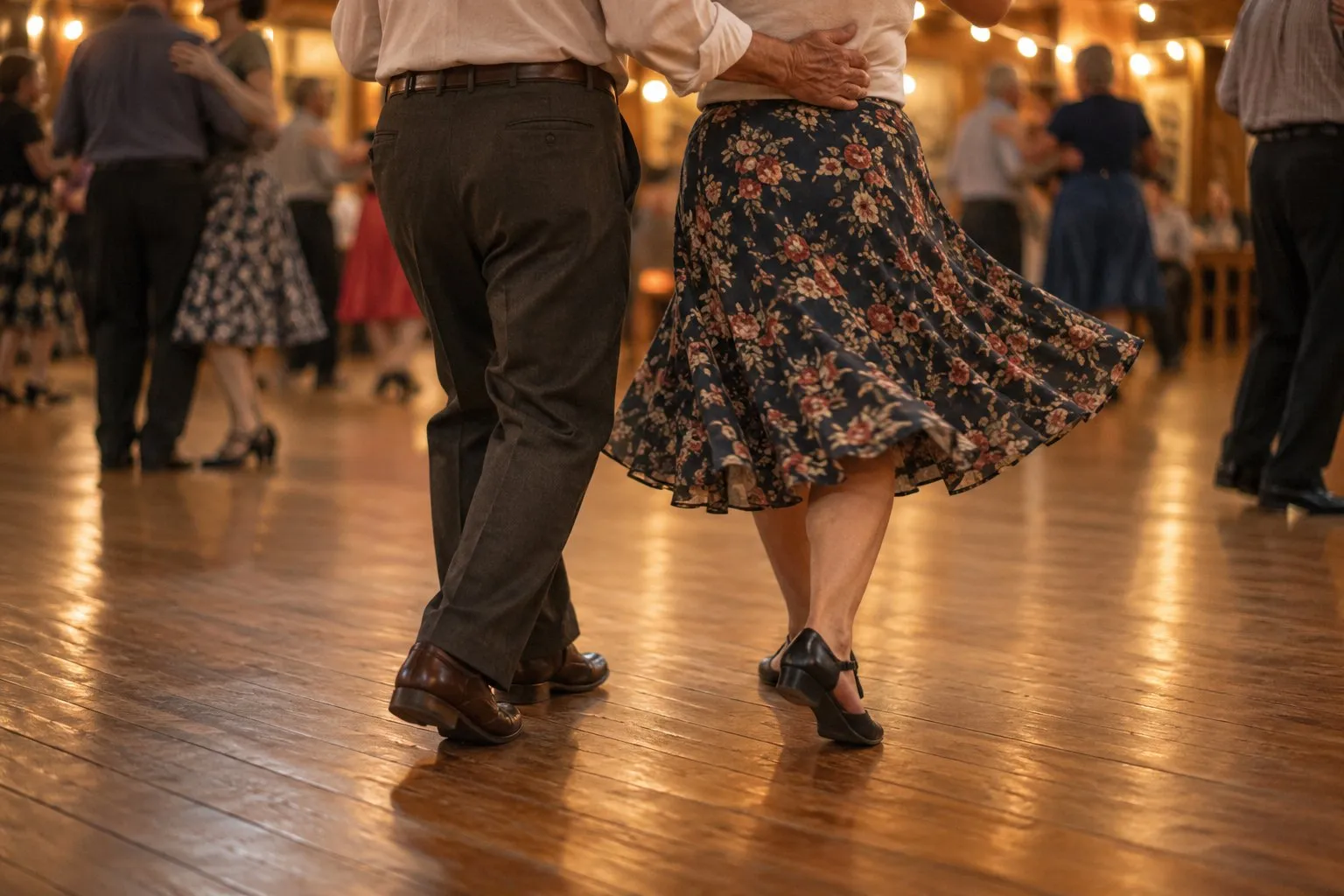
Do creative hobbies like painting help? The English study measured going to arts events, not making art (Fancourt & Steptoe, 2019), so it can’t say. Dancing, which is creative as well as social, is covered in Does dancing keep your brain young?
Sources
- Fancourt, D., & Steptoe, A. (2019). The art of life and death: 14 year follow-up analyses of associations between arts engagement and mortality in the English Longitudinal Study of Ageing. BMJ, 367, l6377. https://doi.org/10.1136/bmj.l6377
- Mak, H. W., Noguchi, T., Bone, J. K., Wels, J., Gao, Q., Kondo, K., Saito, T., & Fancourt, D. (2023). Hobby engagement and mental wellbeing among people aged 65 years and older in 16 countries. Nature Medicine, 29(9), 2233–2240. https://doi.org/10.1038/s41591-023-02506-1